
When planning a construction or home improvement project, choosing the right materials is critical to performance and longevity. One of the most common questions builders and homeowners ask is how to decide between untreated wood vs treated wood. The debate around treated vs untreated lumber matters because each option serves a different purpose depending on environment, exposure, and design goals.
Understanding the differences between pressure-treated wood and untreated wood can help you select materials that last longer, perform better, and fit your project’s budget. Below, we break down how each type of wood works, where it performs best, and how to make an informed decision.
Understanding Pressure-Treated Wood
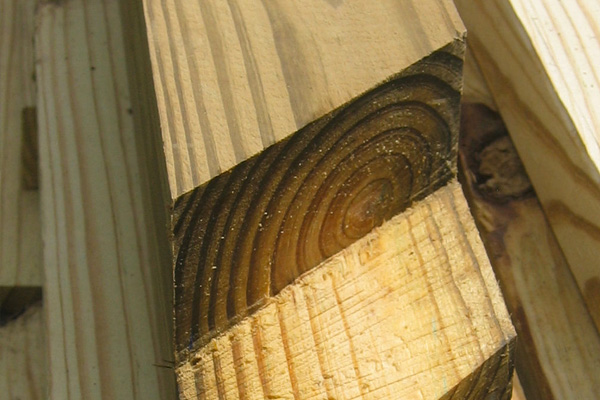
Pressure-treated wood is engineered specifically for durability in challenging environments. During the treatment process, preservatives are forced deep into the wood fibers using high pressure. This protects the lumber against rot, moisture damage, insect infestation, and fungal growth.
Because the preservatives penetrate throughout the board, pressure-treated wood offers long-term protection that untreated lumber simply cannot provide in exposed conditions. When comparing treated vs untreated lumber for outdoor or ground-contact applications, pressure-treated lumber is designed to withstand years of environmental stress.
Where Pressure-Treated Wood Performs Best
The strength and resistance of pressure-treated lumber make it ideal for projects where wood will be exposed to moisture, soil, or fluctuating weather conditions. Common uses include:
- Deck framing and support posts
- Fencing and privacy panels
- Retaining walls and raised planters
- Outdoor furniture and structures
- Playgrounds and recreational installations
When evaluating untreated wood vs treated wood, these applications clearly favor pressure-treated materials due to their enhanced durability and safety over time.
Key Advantages of Pressure-Treated Wood
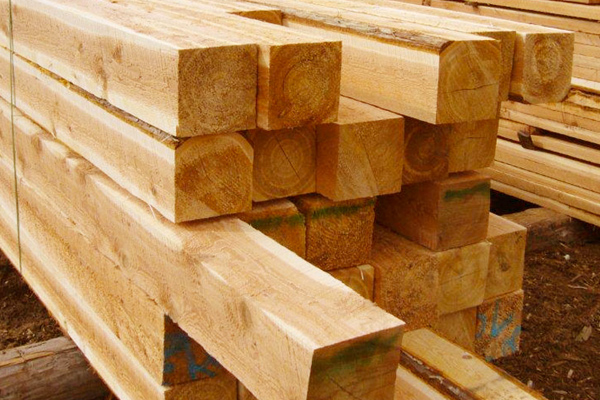
When weighing treated vs untreated lumber, several benefits of pressure-treated lumber stand out:
- Extended Lifespan: The primary allure of pressure-treated wood lies in its significantly extended lifespan compared to untreated, thanks to the preservatives that protect it from natural decay processes.
- Cost-Effectiveness: Over time, the initial investment in pressure-treated wood proves cost-effective, as it reduces the need for frequent replacements or repairs that untreated may require due to environmental damage.
- Low Maintenance: Pressure-treated wood requires less maintenance over its lifetime, saving time and resources for homeowners and builders alike. A regular inspection and occasional cleaning are generally all that’s needed to keep it in good condition.
Environmental and Safety Considerations
Modern pressure-treated wood is much safer and more environmentally responsible than earlier generations. Today’s treatments use approved preservatives that are effective while meeting safety standards. That said, proper handling, sealing, and disposal are still important.
For projects such as garden beds or children’s play structures, it’s essential to choose pressure-treated wood rated for the intended use. When comparing treated vs untreated lumber, understanding these guidelines ensures safe, responsible material selection.
When Untreated Wood Is the Better Choice
While pressure-treated lumber excels outdoors, untreated wood still plays an important role. Untreated wood is often preferred for interior applications or projects where moisture exposure is minimal. Its natural appearance and workability make it ideal for:
- Interior trim and molding
- Cabinetry and shelving
- Furniture and decorative pieces
- Dry, covered structures
In these cases, untreated wood vs treated wood becomes a question of aesthetics and environment rather than durability alone. Untreated wood offers a clean, natural look without chemical treatments when conditions allow.
Treated Wood vs Untreated Wood: How to Choose
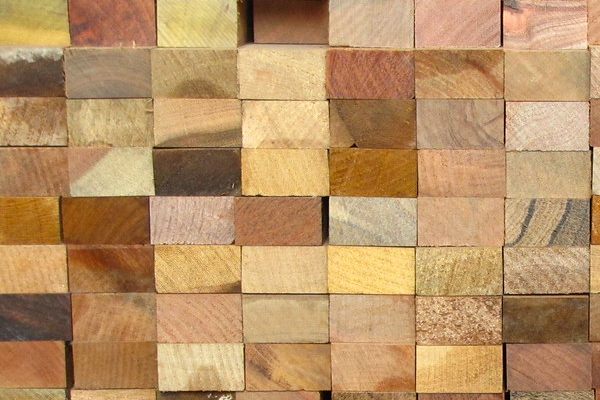
Deciding between pressure-treated wood vs untreated wood ultimately depends on where and how the material will be used. For outdoor projects, ground contact, or moisture-prone areas, pressure-treated wood provides superior protection and longevity. For indoor or low-exposure projects, untreated wood offers beauty, flexibility, and ease of use.
Understanding the difference between treated and untreated wood allows you to select materials that align with your project goals, environmental conditions, and long-term expectations.
How We Can Help
Choosing between treated and untreated lumber doesn’t have to be complicated. Our team offers expert guidance and a full selection of both options to support structural and aesthetic needs. Whether your project calls for pressure-treated durability or the natural appeal of untreated wood, we help you select materials that perform well over time.
Selecting the right wood is a key step toward a successful build. With the right information and the right lumber, your project can stand strong for years—no matter whether treated vs untreated lumber is the better fit for your application.