
Choosing the right deck materials is one of the most important decisions you can make when planning a new deck or updating an existing outdoor space. The material you choose affects the look, maintenance, comfort, lifespan, and long-term value of your project. With more homeowners investing in outdoor living areas, today’s options go far beyond traditional wood. Composite, hardwood, PVC, and pressure-treated lumber all offer different benefits depending on your budget, climate, design goals, and maintenance expectations.
At Jordan’s Building Center, we carry a wide selection of deck materials, including composite decking, hardwood decking, deck railing, and other decking supplies to help homeowners, contractors, and builders find the right fit for each project.
Why Deck Material Choice Matters
A deck is exposed to sun, moisture, foot traffic, furniture, temperature changes, and everyday wear. That means your deck materials need to do more than look good on installation day. They need to perform over time.
The right material can help reduce maintenance, improve curb appeal, support safer outdoor use, and create a more comfortable space for relaxing, entertaining, or spending time with family. The wrong choice can lead to fading, splintering, warping, staining, or ongoing upkeep that becomes frustrating over time.
Before choosing your decking, it helps to compare the most common options.
Composite Decking
Composite decking continues to be one of the most popular deck materials because it offers the look of wood with less routine maintenance. Most composite boards are made from a blend of wood fibers and recycled plastic, creating a durable surface that resists rot, insects, and moisture better than traditional wood.
Composite decking is a strong choice for homeowners who want a polished look without regular staining, sealing, or sanding. It is available in a wide range of colors, textures, and woodgrain finishes, making it easier to match your deck to your home’s exterior style.
While composite decking usually costs more upfront than pressure-treated wood, many homeowners see value in the lower maintenance requirements and longer-lasting performance. Current decking cost guides continue to show composite as a higher upfront investment than pressure-treated lumber, but one that can offer long-term maintenance advantages.
PVC Decking
PVC decking is another low-maintenance option that has become more common in modern outdoor projects. Unlike composite decking, PVC does not contain wood fibers. This makes it highly resistant to moisture, mold, rot, and insect damage.
PVC can be a good fit for areas that experience frequent moisture or heavy exposure. It is also lightweight and easy to clean. Some newer PVC products are designed to stay cooler than traditional composite options and offer improved slip resistance, which can be helpful for sunny decks, poolside areas, and high-use outdoor spaces.
The main consideration with PVC is appearance and cost. Some homeowners prefer the more natural look of wood or composite, while others appreciate PVC for its durability and easy-care performance.
Pressure-Treated Wood
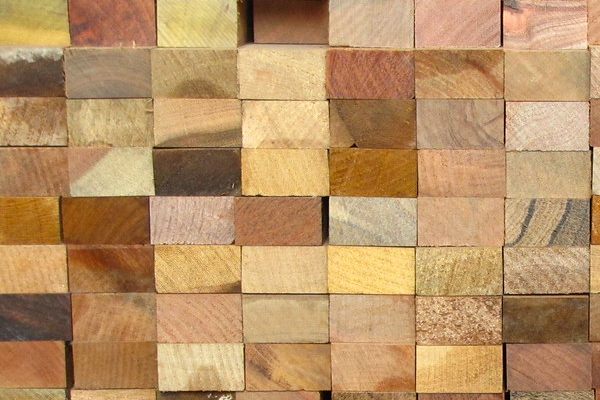
Pressure-treated lumber remains one of the most budget-friendly deck materials. It is widely available, familiar to contractors, and often chosen for homeowners who want a practical, cost-conscious option.
This type of wood is treated to resist rot and insect damage, making it more durable than untreated lumber. It can also be stained or painted to match a specific design style. However, pressure-treated wood does require regular maintenance. To keep it looking and performing its best, homeowners should plan for cleaning, sealing, staining, and inspections over time.
Pressure-treated wood may be a smart choice if you want a lower upfront cost and do not mind ongoing upkeep.
Cedar and Redwood
Cedar and redwood are natural wood deck materials known for their warm color, attractive grain, and natural resistance to decay. These woods are often chosen by homeowners who love the authentic beauty of real wood.
Compared to pressure-treated lumber, cedar and redwood typically offer a more refined appearance. They are also lighter and easier to work with. However, they still need regular maintenance to preserve their color and protect against weathering. Without care, natural wood can fade, crack, or develop surface wear over time.
These materials are a good fit for homeowners who value natural beauty and are comfortable maintaining their deck as part of regular home care.
Hardwood Decking
Hardwood decking is known for strength, density, and high-end appearance. Options like ipe and other exotic hardwoods can create a premium outdoor space with excellent durability. Hardwood can be one of the longest-lasting deck materials when properly installed and maintained.
The tradeoff is cost and workability. Hardwood materials are typically more expensive and can be more challenging to cut, fasten, and install because of their density. For homeowners looking for a luxury deck with a rich natural finish, hardwood can be an excellent choice.
How to Choose the Best Deck Materials
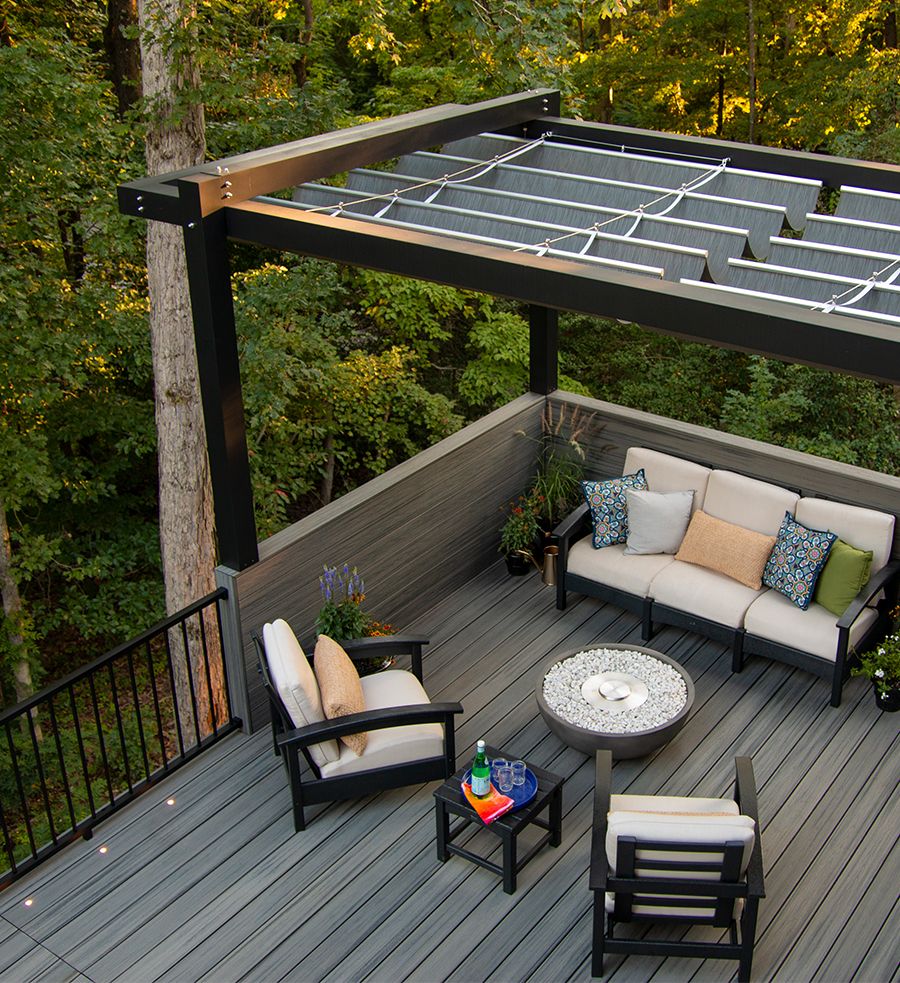
There is no single “best” option for every home. The best deck materials depend on your priorities. Before making a decision, consider:
- Maintenance: Do you want a low-maintenance deck, or are you comfortable staining and sealing wood?
- Budget: Are you focused on lower upfront cost or long-term value?
- Appearance: Do you prefer natural woodgrain, modern colors, or a high-end hardwood look?
- Durability: Will the deck face heavy sun, moisture, pets, kids, or frequent entertaining?
- Comfort: Will the surface be used barefoot, near water, or during hot summer days?
These questions can help narrow your choices and make the selection process easier.
Current Decking Trends to Consider
Today’s outdoor living trends are leaning toward durable, lower-maintenance, and design-forward materials. Homeowners are choosing neutral tones, mixed textures, hidden fastener systems, coordinated railing, and materials that support long-term usability. Current outdoor design trends also point toward more relaxed, eco-conscious, low-maintenance spaces that feel functional and inviting rather than overly complicated.
This means your deck materials should support both performance and style. The deck should not only hold up well but also feel like a natural extension of your home.
Find the Right Deck Materials at Jordan’s Building Center
Whether you are building a new deck, replacing old boards, or helping a client compare options, choosing the right deck materials starts with understanding how each option performs. Composite decking, PVC decking, pressure-treated wood, cedar, redwood, and hardwood all have advantages. The right choice comes down to your budget, maintenance goals, design preferences, and how you plan to use the space.
Jordan’s Building Center is here to help you compare your options and find quality decking products for your next outdoor project. With the right materials and support, you can build a deck that looks great, performs well, and supports outdoor living for years to come.